Featured Projects
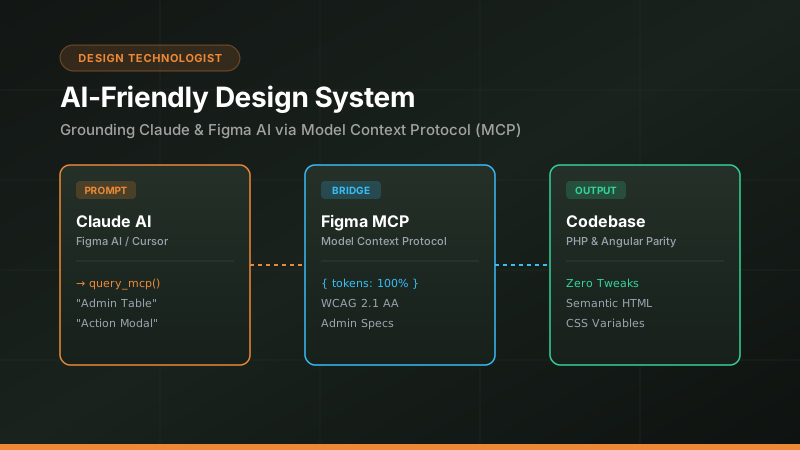
AI-Friendly Design System
I used Claude and the Figma MCP to ground generative AI in production design tokens, eliminating hallucinated styles and accelerating legacy modernization.
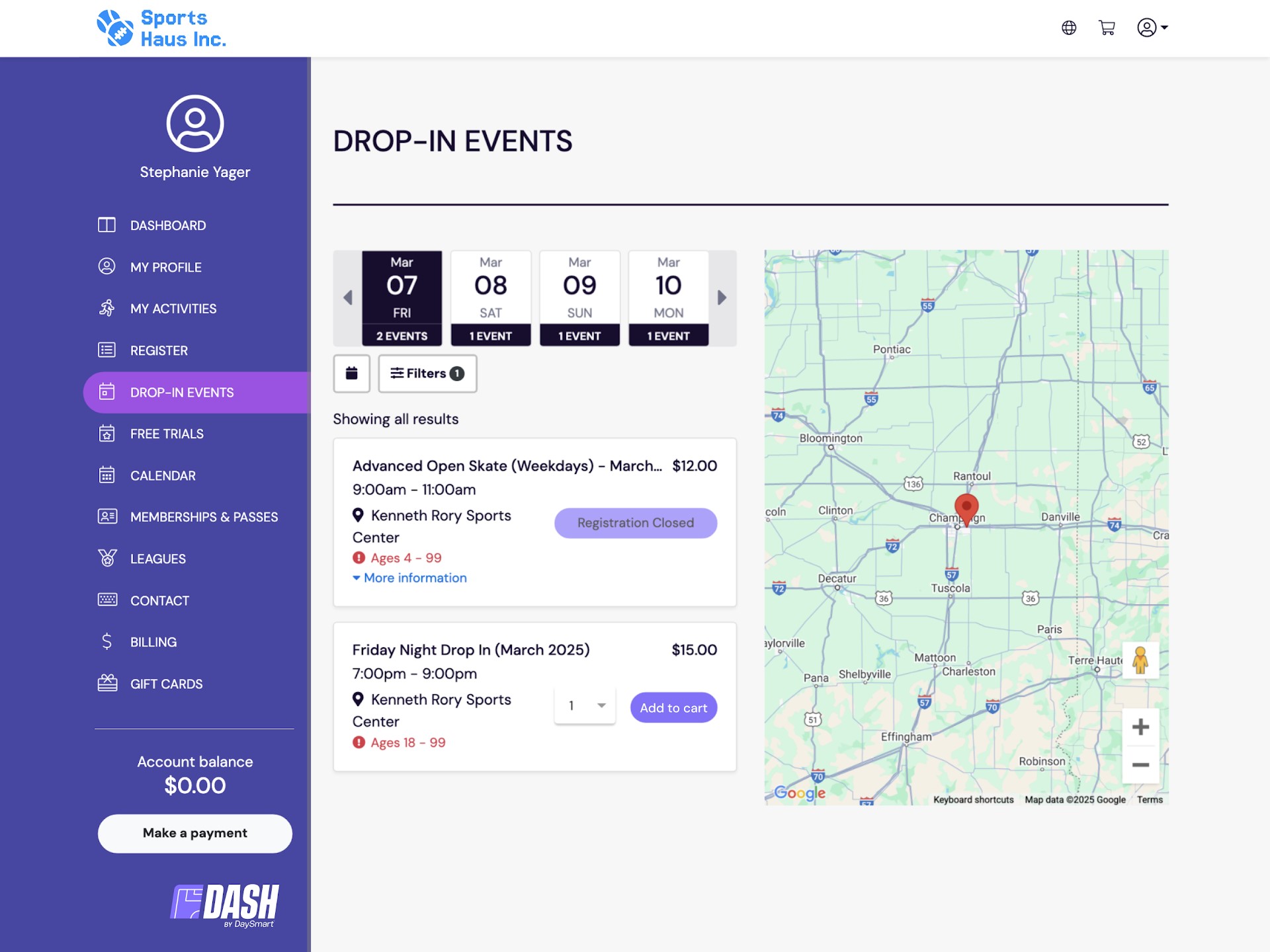
Dash Customer App Redesign
Redesigned the complete user journey for the Dash Member app to streamline registration, checkout, scheduling, and digital facility access.
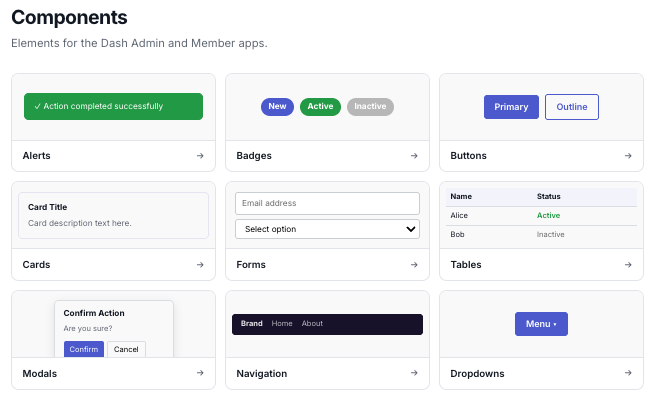
Design System Documentation
Developed a shared design language and component library to unify the Dash Admin and Member applications.
 Mobile App Redesign B2B2C
DaySmart Recreation
Context & The Problem Space
DaySmart's legacy B2B2C application suffered from severe mobile friction, causing critical drop-off during multi-tenant account registration and facility checkout. We needed a ground-up modernization to support high-density scheduling on smaller viewports.
Strategic Approach
Data indicated a massive drop-off during the registration and checkout flows. The root cause was technical: the legacy UI was not optimized for mobile viewports, causing critical layout breaks and dead-ends for users trying to complete purchases on their phones.
Process & Execution
I led the end-to-end modernization with a strict mobile-first mandate to stop the layout failures. To meet aggressive rollout targets, we bypassed a massive architectural rewrite and focused on rapid, iterative UI deployments. I designed a scalable white-label foundation that allowed the interface to dynamically inherit custom SMB branding (colors/logos) while maintaining WCAG accessibility standards.
Responsive Scheduling Matrix: The dense, multi-variable B2B dataset was architected to surface critical filtering parameters (date, location, price, age limits) without overwhelming the viewport, reducing cognitive load for facility managers.
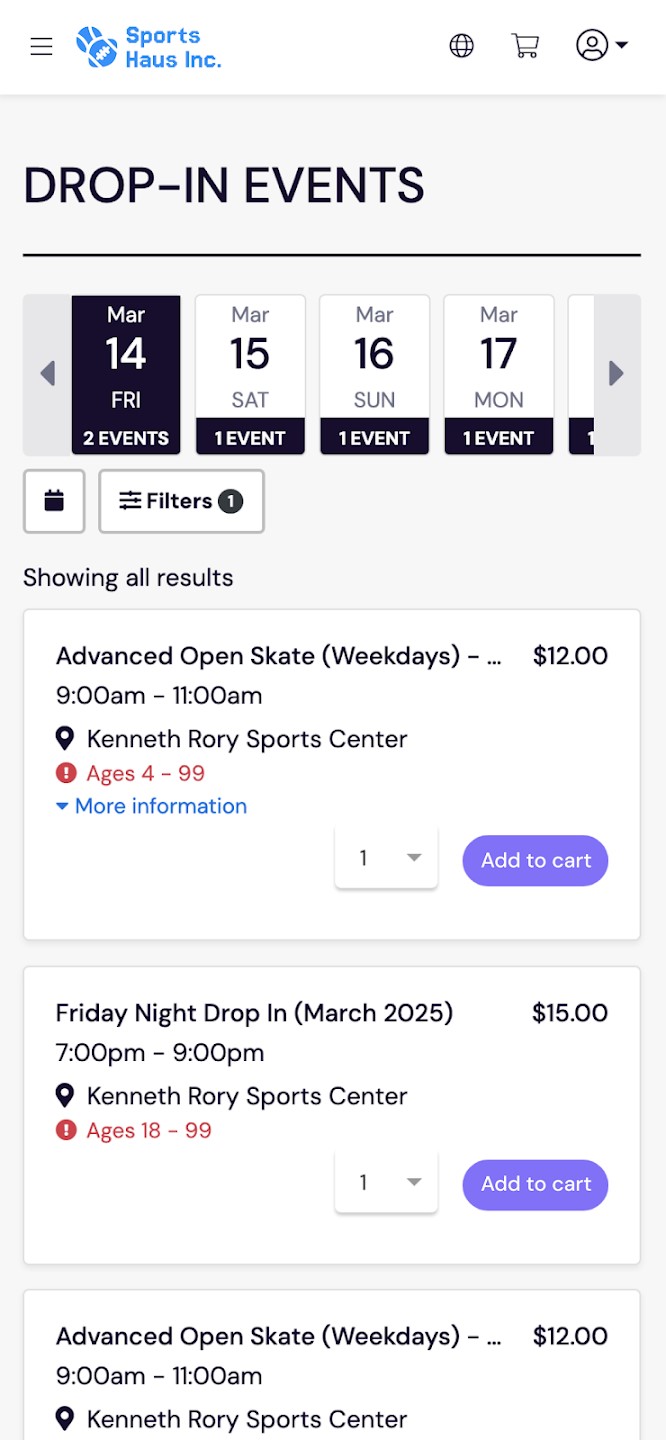
The complex desktop matrix gracefully degrades into a mobile-first card stack. All primary UI components are mapped to dynamic CSS variables, allowing the interface to instantly inherit any SMB tenant's custom white-label branding without requiring manual CSS overrides.
Impact & Outcomes
Beyond a 5% core conversion lift, managing the white-label UI inconsistencies during this rapid rollout served as the primary business case for architecting the strict, token-based design system we implemented platform-wide the following year.
 AI-Accelerated Churn Mitigation
DaySmart Software
Context & The Problem Space
Several high-value enterprise accounts were flagged as severe churn risks due to specific workflow inefficiencies and UI friction points. However, core engineering sprints were entirely committed to existing roadmap initiatives. We faced a critical roadblock: waiting for traditional development cycles meant likely losing these major clients.
Strategic Approach
I recognized this required a strong bias for action. I needed a way to deliver production-ready solutions without taxing the engineering team. I established a rapid-response triage workflow, partnering directly with Customer Experience (CX) teams via Slack to capture raw feedback and utilizing ProductBoard to isolate the highest-impact "quick wins."
Process & Execution
Instead of generating Figma prototypes that would sit in a backlog, I blurred the lines between design and engineering. Leveraging Claude Code, I took full ownership of the implementation. Guided by my strong foundation in mobile-first front-end architecture, I was able to rapidly prompt, review, and refine the front-end code, bypassing the traditional design-handoff bottleneck entirely.
Impact & Outcomes
By leveraging AI as a force multiplier, I executed critical updates in a fraction of the standard timeframe.
- Shipped targeted UI solutions outside the standard sprint cycle directly to production.
- Resolved critical pain points for at-risk enterprise accounts, successfully mitigating churn.
- Proved the viability of an AI-accelerated product development lifecycle, demonstrating how design can deliver immediate business value independently.
AI-Ready Figma Design System
DaySmart Software
Context & The Problem Space
As we increasingly integrated AI coding agents into our development workflows, a new bottleneck emerged. Our existing Figma design system, while visually consistent for humans, lacked the strict semantic structure required for AI agents (like Claude and Cursor) to accurately interpret and generate production-ready UI components.
Strategic Approach
I initiated a project to bridge the gap between human design intent and AI comprehension. I analyzed the specific prompting failures and structural gaps that caused AI agents to hallucinate or break layout constraints. The solution required migrating from a traditional UI kit to a highly structured, token-driven approach optimized explicitly for LLM consumption.
Process & Execution
I systematically audited and restructured the Figma design system from the ground up. I leveraged Claude to help write comprehensive, machine-readable documentation defining strict design tokens, standardized component behaviors, and explicit layout rules. I created robust guidelines that translated visual design choices into clear, prompt-ready context windows for front-end generation.
Impact & Outcomes
This initiative fundamentally evolved how our team moves from design to code.
- Transformed a standard UI kit into a fully AI-operable framework.
- Drastically reduced the time required to generate accurate, brand-aligned UI code for new features.
- Established a new standard for how modern design systems can empower engineering in an AI-forward development cycle.